
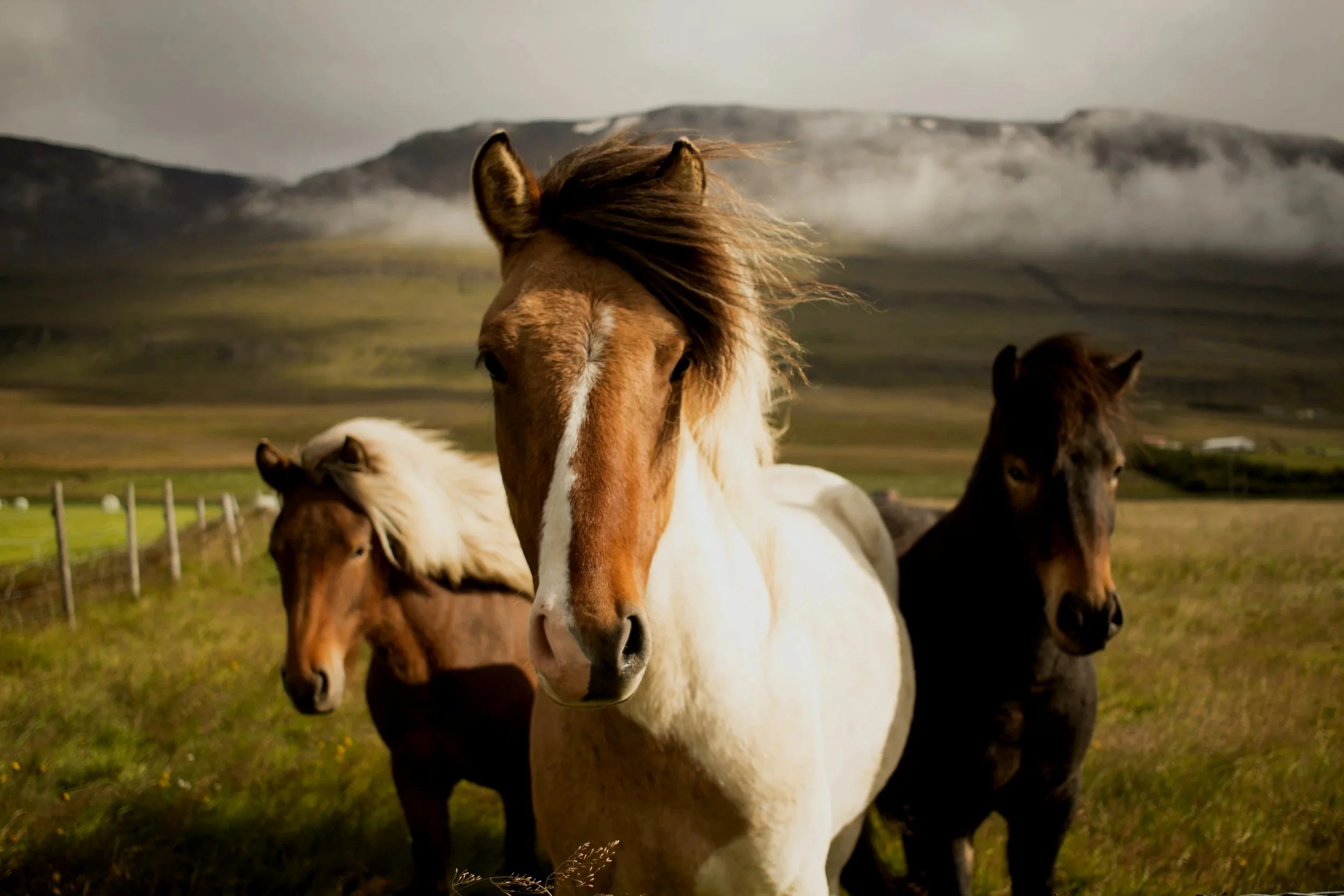
Equine Osteopathy
shaped around the individual horse
Osteopathy looks beyond a single sore area.
It considers how the whole horse is adapting: joints and muscles, fascia, the nervous system, the viscera, the cranial system and the horse’s history. At Wild Voice, every assessment is led by anatomy, careful observation and what the horse is able to communicate through posture, movement and response to touch. There is no fixed routine and no pressure to force a release.
For the horse whose story needs time
This work is particularly suited to rehabilitation, ongoing maintenance and the complicated cases in which something still does not feel right despite previous investigations or treatment. It is also well suited to sensitive horses and to the everyday horse who is part of the family. You do not need to be competing at a high level to justify thoughtful care. Comfort, confidence and ease in ordinary life matter.
A WHOLE-HORSE APPROACH
-
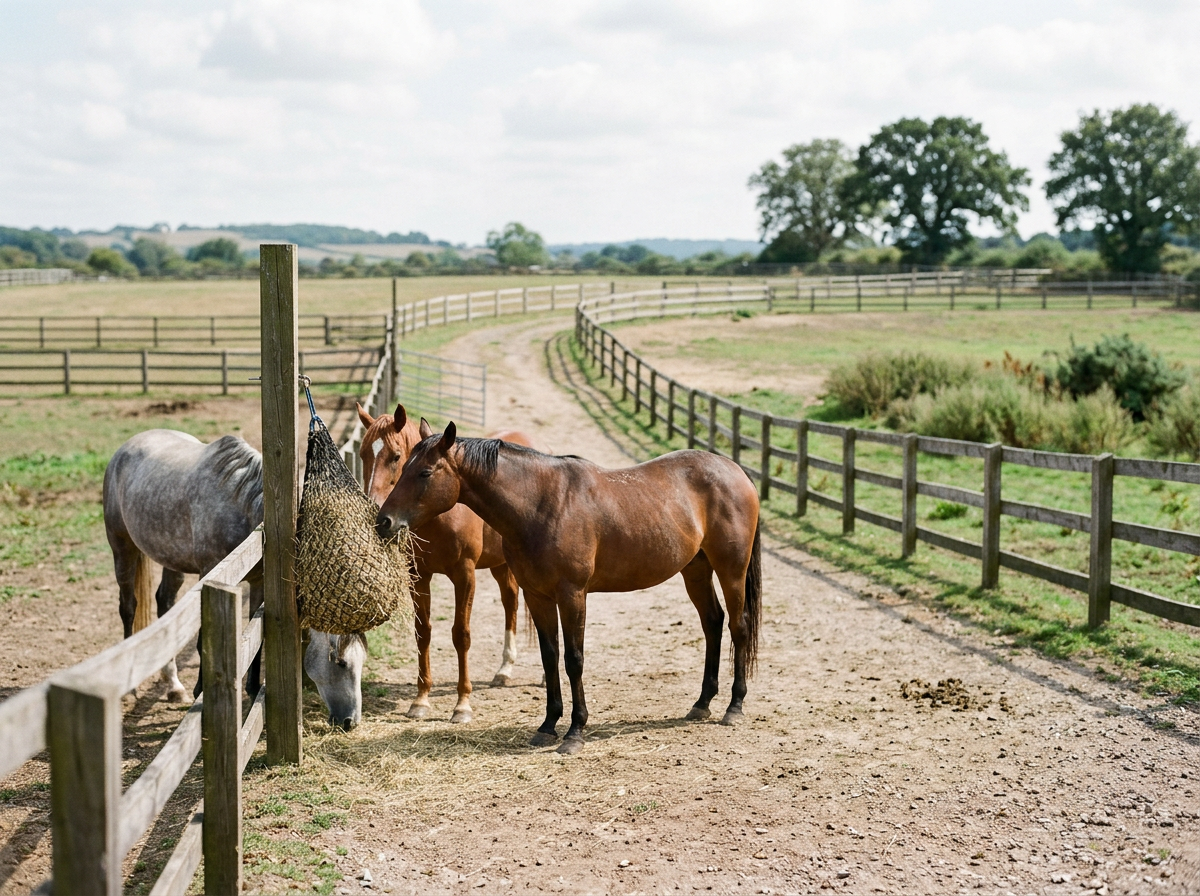
A horse’s body cannot be considered separately from the conditions in which they live and work. I look at the wider picture, including husbandry, access to forage, movement and companionship, nutrition, exercise, tack, saddle and bridle fit, bitting and hoof balance. Where appropriate, I work collaboratively with trusted nutritionists, saddle fitters, hoof-care professionals, trainers and veterinary colleagues to identify factors that may be affecting the horse’s comfort, recovery or long-term wellbeing.


-
The organs and their supporting ligaments and fascia form part of the horse’s wider mechanical system. Restrictions within this system can influence posture, breathing, spinal mobility and movement. Gentle visceral techniques may therefore be included when relevant to the individual horse.
-
Structural osteopathy considers the horse’s joints, muscles, fascia, posture and movement. By assessing how restrictions and compensations relate across the body, treatment aims to restore more comfortable, coordinated movement rather than focusing only on the area that appears sore.

-
Craniosacral osteopathy uses subtle techniques to assess and support the relationships between the skull, spine, sacrum, membranes and nervous system. It can be particularly valuable for sensitive horses, head-related tension and patterns involving the whole central axis.
-
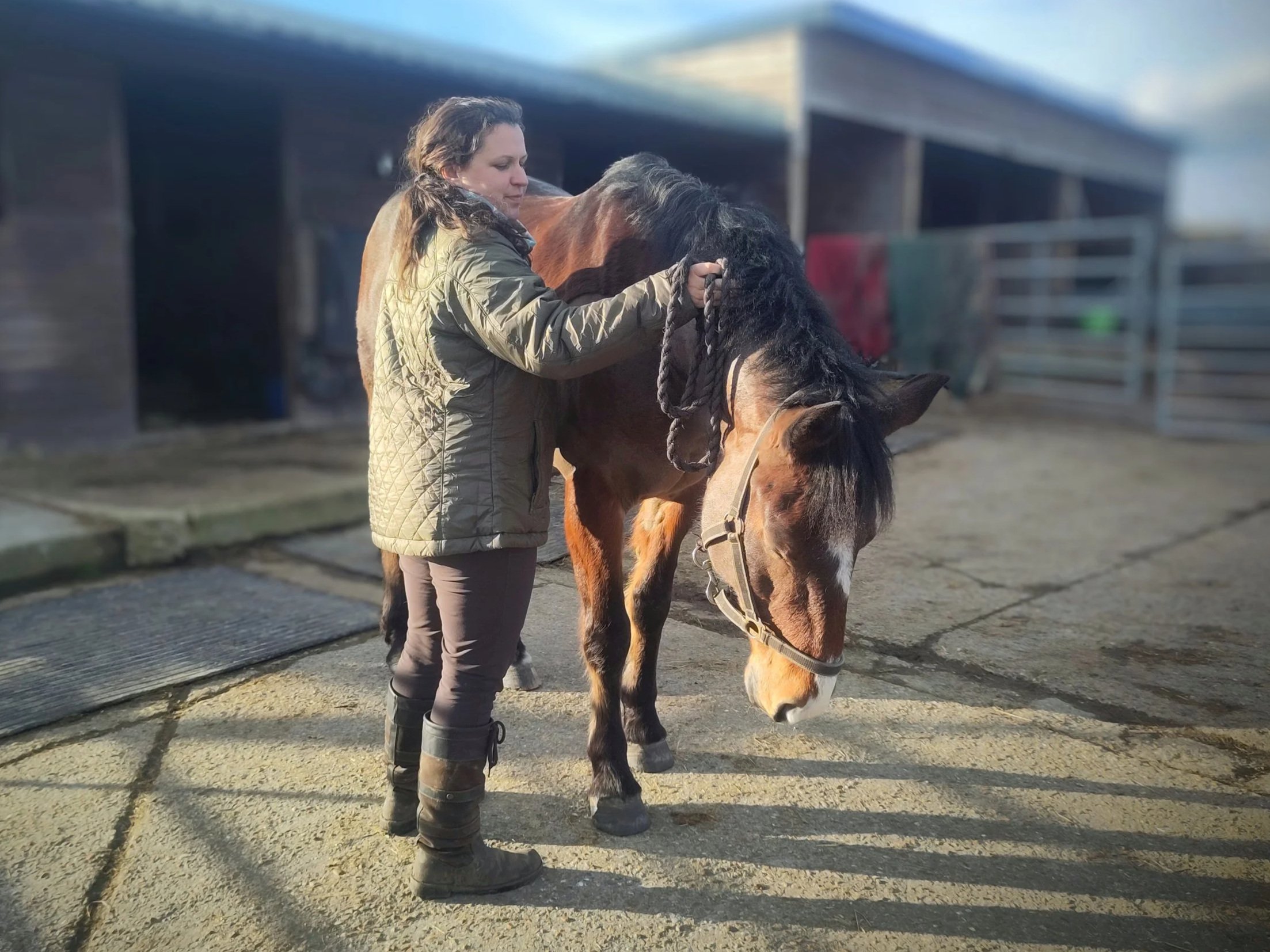
Every horse brings their own history, experiences and way of responding to the world. I consider where the horse is emotionally in the present, what may have happened previously and how this might influence their behaviour, boundaries, sensitivity and ability to feel safe during treatment. My wider training and personal interests help me listen to the horse more carefully, adapt my approach and work at a pace they can understand and accept. The aim is not simply to treat the body, but to recognise the individual living within it.
Who this work may help
Horses returning from injury, illness or a period of rest
Horses with recurring asymmetry, stiffness or unexplained changes in way of going
Sensitive horses who struggle with conventional hands-on treatment
Older horses and those needing thoughtful ongoing maintenance
Owners who are prepared to consider management, groundwork, nutrition, feet, saddle fit and veterinary input as part of the wider picture
Wild Voice is not a last-minute “fix” before an event. The best outcomes come from patient, collaborative work and from giving the horse time to integrate change.
Every horse is listened to. Every case is considered in context.
FAQs
-
Your first appointment is an in-depth onboarding session. It includes discussion of the horse’s history, observation in movement where appropriate, a whole-body osteopathic assessment, treatment and practical recommendations. Where findings suggest that further investigation is needed, France will recommend that you involve your veterinary surgeon or another relevant professional.
Follow-up sessions are planned according to the horse rather than imposed as a standard package.
-
New-client onboarding session: £120
Subsequent appointments: £90Appointments take place at your horse’s yard. Travel arrangements and any applicable contribution are confirmed during booking.
-
Good equine care is rarely the work of one person. Wild Voice values constructive collaboration with veterinary surgeons, farriers and equine podiatrists, saddle fitters, nutritionists, rehabilitation professionals and the horse’s existing support team.